
Key Mistakes People Make When Choosing Outdoor Furniture

Selecting outdoor furniture may appear straightforward, but many homeowners make errors that affect comfort, style, and long-term durability. From rushing a purchase to overlooking material considerations, mistakes often lead to frustration or premature replacement. Outdoor furniture is an investment meant to enhance your patio, garden, or balcony experience, yet poor decisions can compromise usability and aesthetics. Some people focus on appearance without considering function, while others underestimate maintenance requirements, causing furniture to deteriorate quickly. Surprisingly, discussions about attention to environment and preparation, such as those explored in where is ally mcbeal set, offer lessons that parallel making thoughtful choices about surroundings. By understanding common pitfalls, you can create a space that is both inviting and long-lasting.
Ignoring Material Suitability
One of the most frequent mistakes is choosing furniture based solely on looks, ignoring how materials handle weather conditions. Wooden furniture may appear elegant but requires regular sealing and protection from moisture, sun, and pests. Metal furniture, such as aluminum or wrought iron, can rust if not treated or kept under cover. Synthetic materials like resin or all-weather wicker are often easier to maintain, but some lower-quality products may fade or crack over time. Considering the climate of your region and how often furniture will be exposed to rain, sun, or snow helps select pieces that retain durability and appearance over years.
Overlooking Comfort and Ergonomics

Many people focus on style but forget to assess comfort. Chairs may look attractive, yet sitting for extended periods may be uncomfortable due to poor seat depth, lack of support, or inadequate cushioning. Testing furniture before purchase, sitting on chairs, or trying lounge pieces provides insight into how enjoyable they are for everyday use. Cushions and padding should also be considered for weather resistance, as indoor fabrics can quickly degrade outdoors. Overlooking ergonomics can lead to a space that looks appealing but fails to serve its primary purpose: providing a relaxing and enjoyable outdoor experience.
Neglecting Maintenance Needs
Another mistake is selecting furniture without considering maintenance. Different materials require varying levels of care, from washing cushions to treating wooden surfaces. Low-maintenance furniture may cost more initially but can save time and effort in the long run. Failing to account for upkeep can lead to faded fabrics, rusted frames, or cracked surfaces, reducing the lifespan of your investment. Planning for storage during harsh seasons, using protective covers, and cleaning regularly will preserve the furniture’s appearance and functionality over years. Ignoring maintenance can transform a seemingly minor inconvenience into a costly problem.
Underestimating Size and Space Requirements
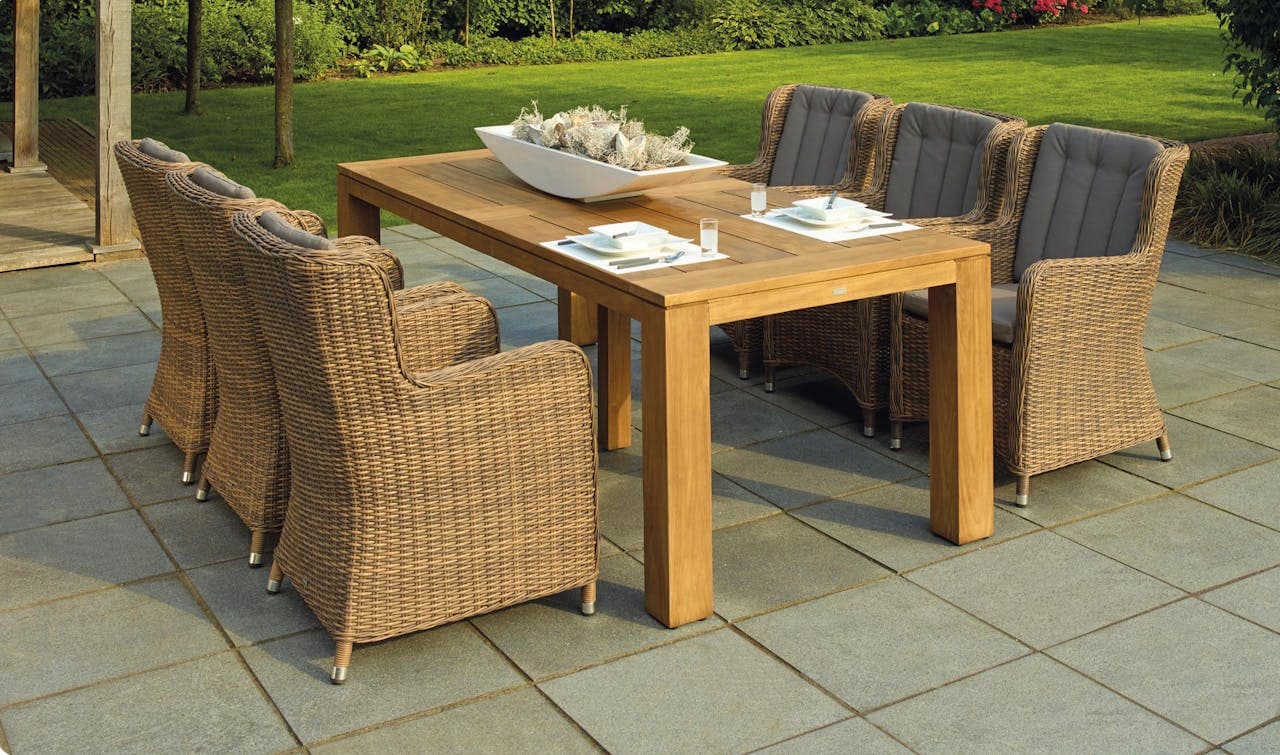
A common error is failing to measure the intended area accurately. Outdoor furniture that appears suitable in a showroom may overwhelm a small patio or feel sparse in a large garden. Ignoring spacing between pieces can lead to cramped layouts, making movement uncomfortable and disrupting flow. Planning furniture placement in advance, accounting for walking paths, and leaving room for activities ensures your outdoor space remains functional and inviting. It also helps prevent purchasing sets that are either too bulky or too small, which can create awkward arrangements and diminish usability.
Forgetting Longevity and Quality
Some buyers focus exclusively on trends or temporary style preferences, neglecting durability and long-term quality. Outdoor furniture is exposed to environmental elements, so inexpensive or flimsy pieces may deteriorate faster than expected. Checking construction quality, joint stability, and frame thickness helps assess whether a product will last. Investing in higher-quality pieces may require a larger initial expenditure but pays off with years of reliable use. Considering lifespan alongside aesthetics and price ensures your outdoor space remains appealing and functional over time, rather than requiring frequent replacements that add stress and expense.
Choosing outdoor furniture requires thoughtful planning to balance style, comfort, and longevity. Avoiding common mistakes—ignoring material suitability, neglecting ergonomics, underestimating space, overlooking maintenance, and disregarding quality—helps create a patio or garden that is both functional and inviting. By prioritizing practical considerations alongside visual appeal, homeowners …